



For most Californians, a car isn’t a luxury—it’s a necessity. Without it, getting to work, school, or medical appointments becomes a serious challenge. So when people consider filing for bankruptcy, one of their first questions is usually: “Will I lose my car?” The answer depends on several factors, including which chapter you file, how much equity you have in the vehicle, and whether you’re current on your auto loan payments.
California’s Vehicle Exemption
California bankruptcy law allows debtors to protect a certain amount of equity in a motor vehicle through what is known as an exemption. The state offers two exemption systems, and the amount you can protect varies depending on which system you choose. Under one of California’s systems, you can currently exempt a meaningful amount of equity in a single vehicle. If your car’s equity falls within that protected amount, the trustee cannot force a sale of the vehicle to pay creditors.
If your vehicle is worth less than what you owe on the loan, you may have little to no equity at all—which in many cases means the trustee has no interest in taking it.
Chapter 7 and Your Car
In a Chapter 7 bankruptcy, the trustee reviews your assets and sells nonexempt property to pay creditors. If your vehicle equity is fully protected by the exemption, the trustee will typically abandon any claim to it and you can keep the car.
However, if you have an outstanding auto loan, keeping the car comes with a condition: you generally need to continue making payments. You may have the option to reaffirm the debt, which means signing a new agreement to remain personally liable for the loan in exchange for keeping the vehicle. Reaffirmation should be considered carefully, since it means the debt survives your bankruptcy discharge.
Another option in Chapter 7 is redemption—paying the creditor the current replacement value of the vehicle in a single lump sum, even if you owe more than that amount. This can be a smart move if your car’s value has dropped significantly below the loan balance, though it requires having access to funds upfront.
Chapter 13 and Your Car
Chapter 13 is often a stronger option for people who are behind on car payments or who have more vehicle equity than the exemption covers. Because Chapter 13 involves a structured repayment plan rather than liquidation, you can catch up on missed payments over time while the automatic stay prevents the lender from repossessing the vehicle.
Chapter 13 also opens the door to a strategy called a “cramdown” on certain auto loans. If your car loan was taken out more than 910 days before filing and the vehicle is worth less than the outstanding balance, you may be able to reduce the loan balance to the car’s current market value and potentially lower your interest rate. This can result in meaningful savings over the life of the repayment plan.
What If Your Car Has Already Been Repossessed?
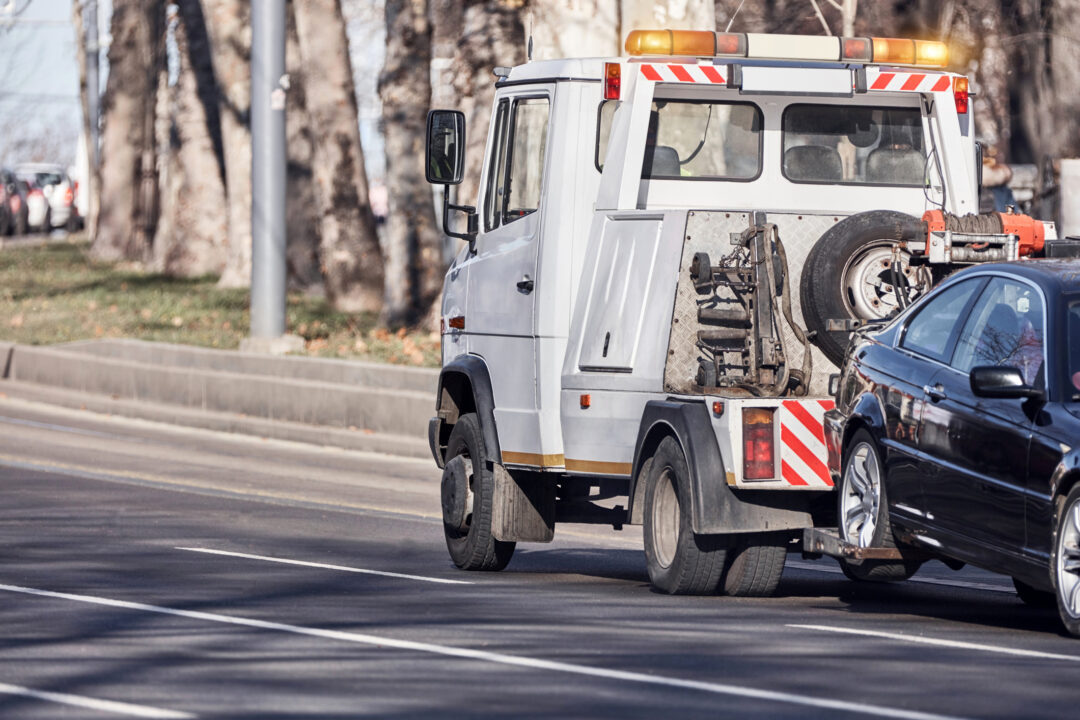
If a lender repossessed your vehicle shortly before you filed for bankruptcy, the automatic stay may require them to return it—particularly if the repossession happened very recently. This is a time-sensitive situation, and acting quickly is critical.
Talk to an Attorney Before Assumptions Cost You
Many people assume they’ll automatically lose their car in bankruptcy or, conversely, that they can keep it no matter what. The reality is more nuanced and depends on the details of your specific situation. At The Law Offices of Paul Y. Lee, our attorneys take the time to review your assets, exemptions, and loan obligations so you understand exactly what to expect before you file. Call 951-755-1000 to schedule your consultation and get straightforward answers about protecting what matters most to you.
